
Selecting the ideal private luxury safari package can transform your African adventure from simply memorable to truly life-changing. With investment levels reaching $10,000-$25,000+ per person for ultra-luxury experiences, choosing the right package demands careful consideration of multiple factors that will shape every aspect of your journey. Private luxury safaris represent the pinnacle of African travel, offering unparalleled exclusivity, personalised service, and intimate wildlife encounters that standard group tours simply cannot match.
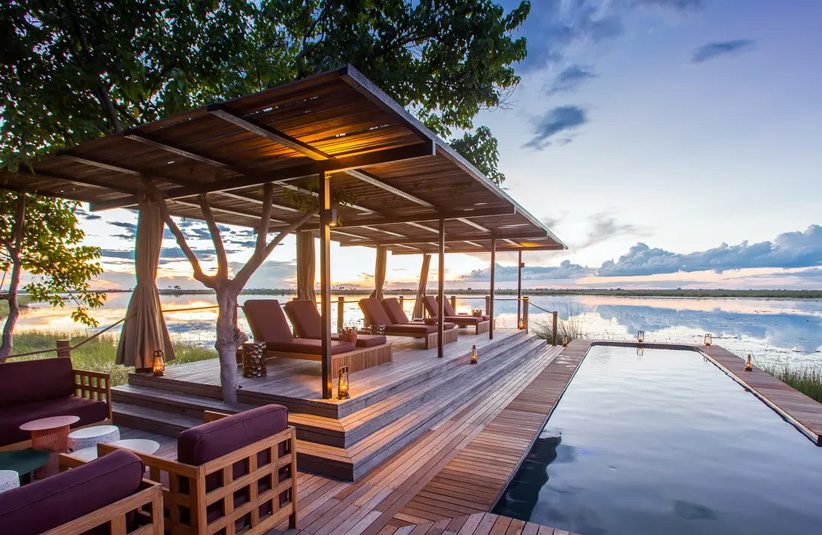
True luxury in safari travel extends far beyond thread counts and amenities. According to leading safari specialists, luxury represents a higher level of experience defined by several key elements. Thoughtfully chosen accommodation features inspiring locations with private plunge pools, panoramic wildlife views, and exceptional service that makes guests feel genuinely cared for.
Personalised itineraries and activities ensure your safari reflects your individual interests and pace, whether focusing on wildlife photography, cultural encounters, or simply absorbing the serenity of the African wilderness. Quality wildlife viewing typically requires access to private conservancies or well-managed remote areas, where expert guides can provide meaningful and uncrowded wildlife encounters.
Most importantly, positive conservation impact distinguishes authentic luxury operators who demonstrate strong commitments to wildlife protection and community well-being. This ensures your visit supports the environments and wildlife you've come to experience while benefiting local communities.
Accommodation Standards and Exclusivity
Accommodation choice significantly impacts your overall safari experience. Lodge exclusivity influences pricing through several factors, with properties featuring fewer suites on larger acreages within private reserves commanding premium rates. Boutique properties with 15 or fewer rooms often provide more intimate experiences, higher staff-to-guest ratios, and comprehensive amenities including private plunge pools, gyms, and spa services.
Accommodation types vary significantly across the luxury spectrum. Safari lodges feature permanent construction with stone or wood, offering solid walls, ensuite bathrooms, restaurants, swimming pools, and air conditioning - ideal for first-time safari guests. Tented safari camps provide large, comfortable canvas accommodations with proper beds, furniture, and adjoining bathrooms, delivering authentic bush experiences without sacrificing comfort. Private houses represent the ultimate exclusivity, featuring beautifully appointed ensuite bedrooms, comfortable lounging areas, private pools, and dedicated staff, including guides and chefs.
Wildlife Experience and Access Privileges
Private conservancies offer distinct advantages over national parks for luxury safari experiences. With limited vehicle access and smaller group sizes, private reserves provide intimate and exclusive wildlife viewing without crowds. Unlike national parks, where guides must remain on designated roads, private reserves allow off-road driving, enabling closer approaches to wildlife and better photography opportunities.
Specialised activities unavailable in national parks enhance the private safari experience significantly. Night drives reveal nocturnal wildlife behaviour, while guided bush walks provide intimate ground-level encounters with smaller wildlife and ecosystems. Many private conservancies also offer customised experiences for photographers, honeymooners, or families, with flexible scheduling that allows lingering at exceptional sightings.
Guide Quality and Expertise
The calibre of your safari guide fundamentally determines the quality of your experience. Private guides possess exceptional depth of expertise in wildlife, ecology, and culture across multiple regions, not just single locations. These guides complete extensive qualifications above minimum legal requirements and work across various African destinations.
Continuity throughout your journey represents a key advantage of private guiding. Unlike traditional safaris, where you receive new guides at each camp, private guides accompany you throughout your entire journey, building familiarity with your interests and eliminating repetitive briefings. This allows for deeper educational experiences and personalised attention that standard lodge guides cannot provide due to their multiple responsibilities between game drives.
Private guides customise every aspect of your wildlife experience. For bird watching enthusiasts, guides focus on prime birding locations and species identification. Photography specialists position vehicles for optimal angles and lighting conditions. This level of personalisation creates genuinely bespoke experiences tailored to individual passions.
Southern Africa: Accessibility and Diversity
South Africa remains the most accessible luxury safari destination, offering excellent infrastructure and world-renowned private game reserves. Kruger National Park and surrounding private reserves provide reliable Big Five sightings year-round, with Sabi Sands Game Reserve ranking among Africa's premier luxury destinations. Properties like Royal Malewane offer four-to-one staff-to-guest ratios, private butler service, and exceptional spa experiences.
Botswana's Okavango Delta represents the crown jewel of exclusive safari experiences. This UNESCO World Heritage Site transforms seasonally, creating unique ecosystems where traditional mokoro excursions meet ultra-luxury accommodations. However, Botswana ranks among the most expensive destinations due to remoteness, exclusivity, and high operating costs.
Zambia offers authentic wilderness luxury with South Luangwa National Park ranking third globally for safari excellence. The country pioneered walking safaris and continues offering unmatched guiding expertise. Zimbabwe provides exceptional value with properties like Singita Pamushana Lodge offering exclusive access to pristine wilderness at competitive rates.
Eastern Africa: Migration and Cultural Experiences
Kenya's Masai Mara conservancies provide exclusive access away from crowds, particularly during the Great Migration season from July to October. Private conservancies surrounding the main reserve offer intimate wildlife encounters with properties like Angama Mara, providing panoramic views and world-class service.
Tanzania's Serengeti ecosystem ranks as the world's top safari destination, supporting the Great Migration and exceptional Big Five viewing. Mobile camps following the migration provide front-row access to dramatic river crossings and predator-prey interactions, while permanent luxury lodges offer consistent high-end experiences.
Understanding Cost Structures
Luxury safari pricing varies significantly based on destination, season, accommodation level, and included services. Four-star luxury safaris start from approximately $5,297 per person for seven nights, offering excellent standards that would qualify as five-star in most countries. Five-star premium experiences begin around $6,757 per person for seven nights, featuring the finest locations, most luxurious finishes, and intimate wildlife access.
Ultra-luxury private safaris command $10,000-$25,000+ per person per week, providing exclusive-use properties, private aircraft transfers, and completely personalised experiences. Daily rates for luxury safaris typically range from $1,000-$3,000 per person per night, depending on exclusivity, location, and season.
Private guide additions increase costs through daily guide fees, accommodation expenses, and transfer costs. However, the enhanced experience quality and continuity often justify these premium investments for discerning travellers.
Maximizing Value Strategies
Travelling during shoulder seasons provides significant cost savings while maintaining excellent wildlife viewing opportunities. Green season travel (November-April) offers up to 50% savings, fewer crowds, and unique experiences, birth seasons and spectacular scenery.
Longer stays at fewer locations reduce transfer costs and provide deeper wildlife experiences. Safari specialists recommend minimum three-night stays per location, with four nights strongly preferred for optimal relaxation and comprehensive exploration.
Lodge portfolio deals often include stay-pay promotions, free local flights, or multi-property discounts when booking multiple properties from the same operator. These packages can provide exceptional value while ensuring consistent service standards.
Peak Season Advantages
The dry season (May-October) represents peak safari conditions across Southern and Eastern Africa. Wildlife concentrates around permanent water sources as vegetation thins, creating exceptional viewing opportunities. Comfortable temperatures, minimal rainfall, and reduced malaria risk make this period ideal for luxury experiences, though booking up to a year in advance is often required.
High season benefits include predictable weather patterns, optimal wildlife behaviour, and peak lodge operations. However, visitor numbers reach maximum levels, and accommodation rates command premium pricing.
Green Season Opportunities
The green season (November-April) offers unique advantages for luxury travellers willing to embrace Africa's natural rhythms. Dramatic landscapes, fewer crowds, and significant cost savings create compelling value propositions. Birth seasons for numerous species provide extraordinary wildlife photography opportunities, while exceptional bird watching attracts specialised enthusiasts.
Weather considerations include higher temperatures, humidity, and potential rainfall that may affect accessibility to remote areas. However, many luxury properties remain operational year-round with appropriate infrastructure.
Medical Requirements and Vaccinations
Comprehensive health preparation ensures worry-free safari experiences. Routine vaccinations, including flu, MMR, polio, hepatitis A & B, and DPT, should be current four to six weeks before travel. Yellow fever vaccination proves mandatory for many African countries, requiring proof of immunisation at least ten days before travel.
Malaria prophylaxis consultation with healthcare professionals remains essential for most safari destinations. Preventive measures, including long-sleeved clothing, insect repellent with DEET, and mosquito netting, significantly reduce risk exposure.
Travel Insurance Essentials
Comprehensive travel insurance designed for safari adventures provides crucial protection for significant investments. Essential coverage includes medical expenses and evacuation (minimum $1 million recommended), trip cancellation and interruption, adventure activity coverage, and personal belongings protection.
Emergency medical evacuation coverage proves particularly important given remote safari locations and potential helicopter rescue requirements. Cancel For Any Reason (CFAR) coverage allows recovery of up to 75% of trip costs for circumstances not covered by standard policies.
Common Mistakes to Avoid
Planning and Preparation Errors
Inadequate research represents the most frequent mistake in safari planning. Not all destinations, lodges, and operators provide equal experiences, making thorough investigation essential. Booking during peak holiday periods results in higher costs, crowded conditions, and limited availability.
Unrealistic wildlife expectations can diminish satisfaction when safaris don't deliver guaranteed animal sightings. Safari experiences remain inherently unpredictable, with magic often found in unexpected encounters and pristine wilderness immersion rather than checklist completion.
Operational Oversights
Improper packing significantly impacts safari enjoyment. Weather-appropriate layered clothing proves essential for morning and evening temperature variations, while neutral-coloured garments prevent wildlife disturbance. Forgetting cash for tipping creates awkward situations, as gratuities represent standard practice with limited ATM access in remote areas.
Insufficient travel insurance coverage can result in devastating financial losses. Equipment protection for expensive cameras and binoculars requires specialised coverage, given the safari environments.
Choosing the perfect private luxury safari package demands careful evaluation of accommodation standards, wildlife access, guide expertise, and destination characteristics aligned with your specific interests and budget. Investment levels ranging from $5,000-$25,000+ per person require thorough research to ensure optimal value and unforgettable experiences.
Success lies in balancing exclusivity, authenticity, and conservation impact while selecting operators who demonstrate genuine commitment to wildlife protection and community benefit. Private luxury safaris represent transformative experiences that create lifelong memories while contributing to Africa's conservation future.
The perfect package combines thoughtfully selected accommodations, expert private guiding, exclusive wildlife access, and seamless logistics that allow complete immersion in Africa's magnificent wilderness. By applying these selection criteria, you'll secure a safari experience that exceeds expectations and provides profound connections with Africa's extraordinary natural heritage.